




Hey everyone!
This winter in store we’ve been growing a handful of different brassicas! Here is our full update and work we’ve done in our medium Vegepod out the front which has 2 types of Bok Choy and Wong Bok. Despite the product tags saying Pak Choy and Bok Choy, there’s are the same plant! The only difference? One of them is a purple cultivar, providing a beautiful purple foliage. Our goal with this Vegepod is to create beautiful statement specimens, not just normal crop, making the biggest crop that we can using hydroponics.
The medium in this Vegepod is peat based with high nitrogen content, perlite and some dolomite lime which gives a little bit of nutrient content into the growing medium but we’re going to be focusing on growing these hydroponically, so all the nutrients will be coming from our base nutrients and additives that we will be adding over the growing period. But for the first few weeks, we’ll just be using water as we don’t want to burn the new, developing roots.
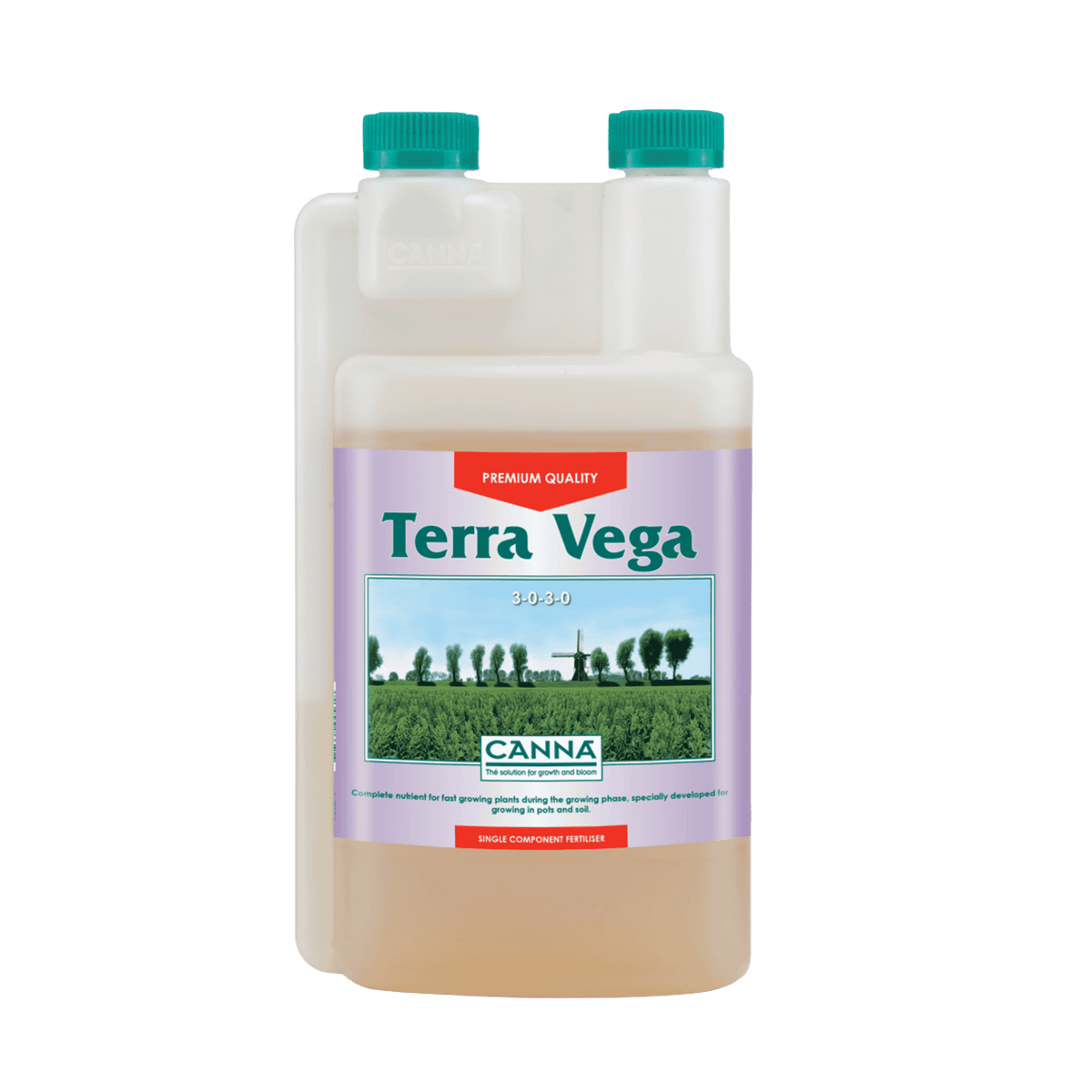
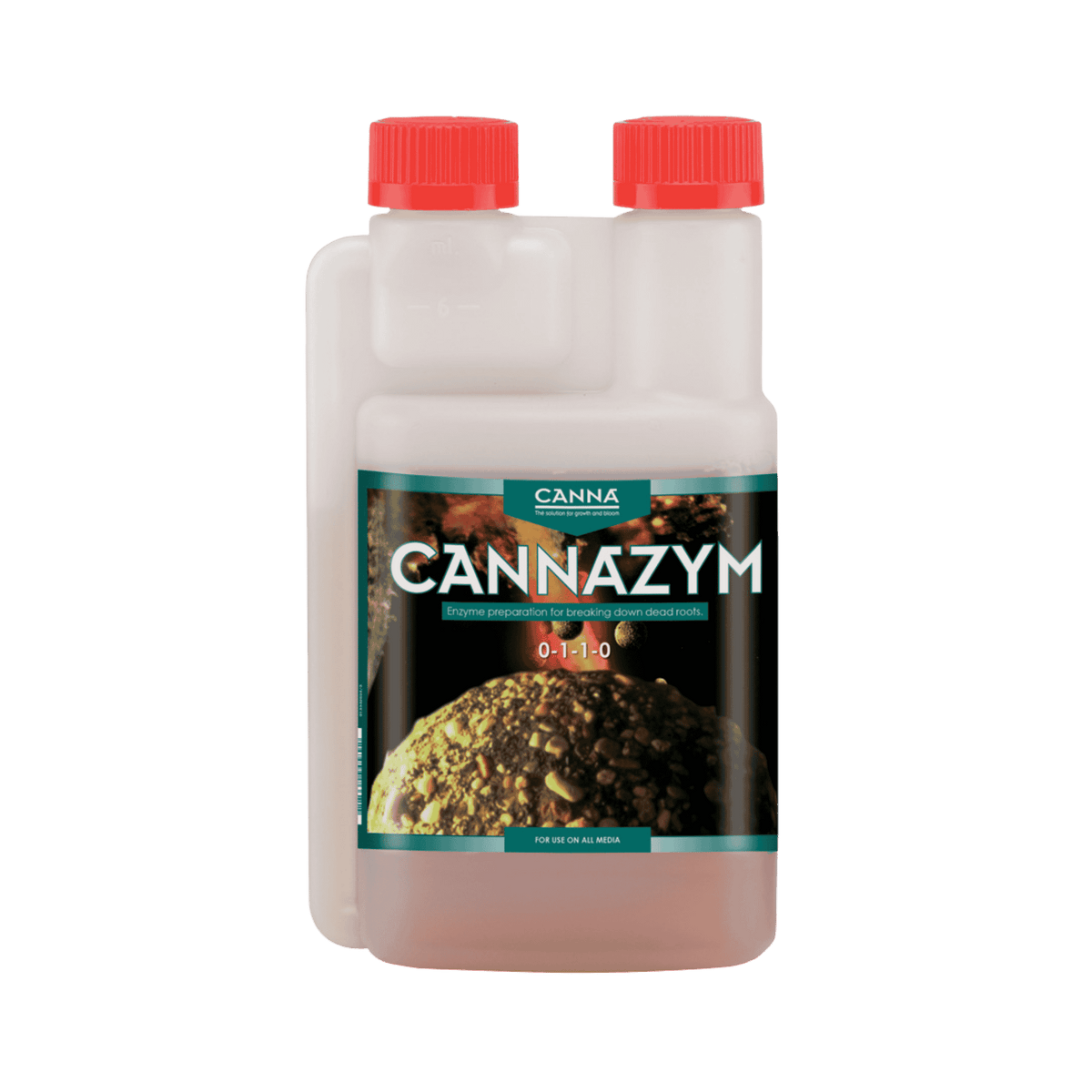
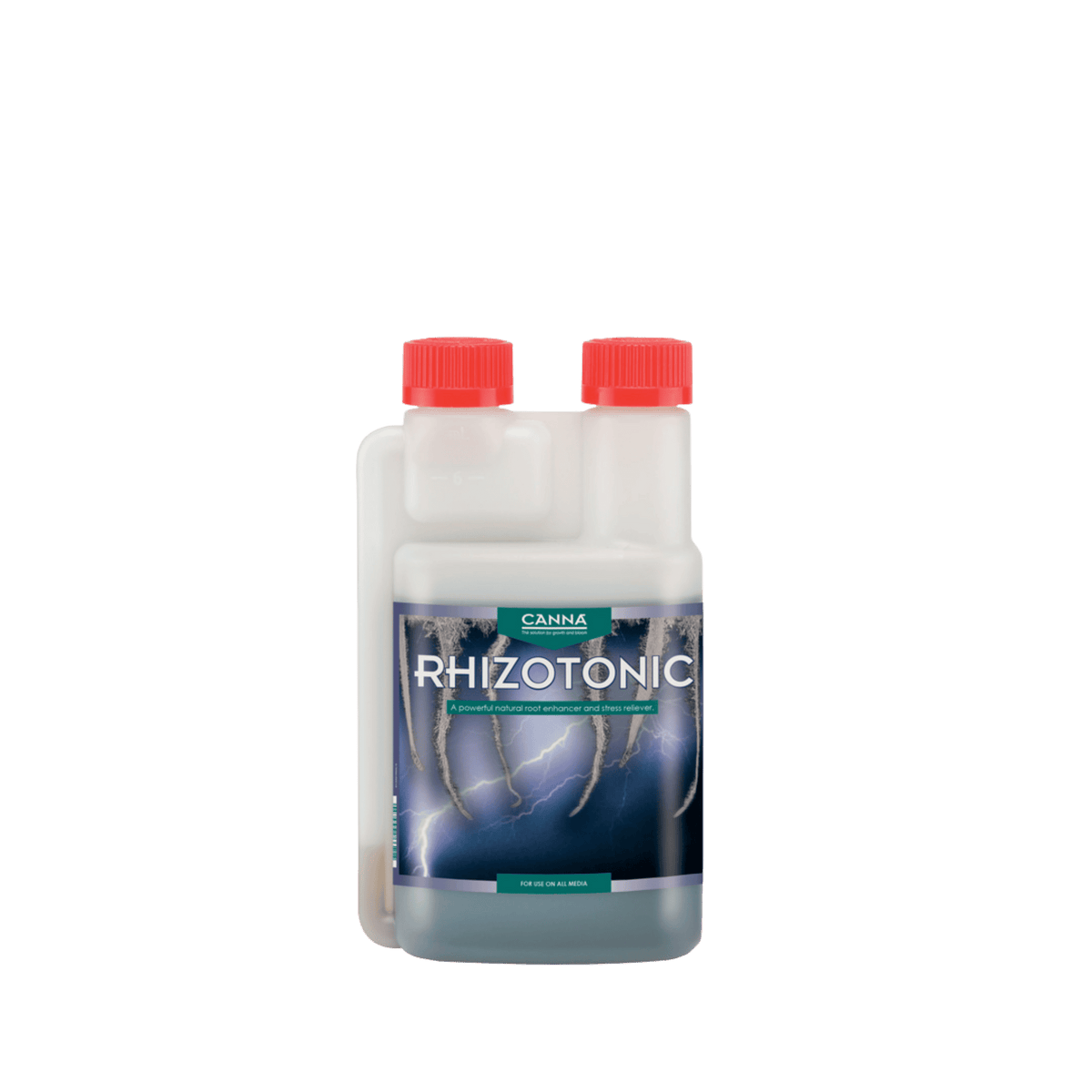
Over the growing period we’ll be using CANNA’s Terra Vega as our base nutrient, and Cannazym and Rhizotonic as our additives. So, let’s deep dive into what our base nutrients and additives do!
Terra Vega
Terra Vega is a blend of main elements needed for the plant and Trace elements. This specific nutrient is what we call our base nutrient. It’s high in Nitrogen so prove the plant the elements needed for cell division and growth. Along with the key trace elements that help fortify the plant and its nutrient uptake. Trace elements are important when it comes to fertilizing plants even if they’re given in minute quantities. Many of these trace elements help provide chemical reactions within the plant and allow for nutrient uptake, and for the plant to grow to the best of its ability. If you want to know more about trace elements, let us know and we can make a post about it! Terra Vega is a nutrient that we will be using throughout the entire growing period until it’s time for its reproductive (flowering) stages where we will swap to Terra Flores. We’ll go into more depth with this product in a later post.
Cannazym
Cannazym is an enzyme activator that breaks down dead roots and allows them to be taken up by the plant for nutrients in the form of minerals and sugars. This not only benefits the plant by removing the chance of bad bacteria and fungus to grow on dead roots but also allows for air pockets under the soil for the aeration of roots. Along with removing dead roots, it also provides a healthy environment and stimulates new roots to grow. Cannazym has more than 12 different enzymes that assist in the immune system of the plant and has vitamins that stimulate the hormones of the plant improving the overall growth of the plant.
Rhizotonic
Rhizotonic is an algae-based additive which can be used at any stage of the plant to provide root stimulation and beneficial bacteria that makes nitrogen into an available form for the plant to uptake. This additive is also able to be used in any form of medium and provides strong roots and stimulate the root growing hormones in the plant. With the increased nitrogen in this additive, it also can be used as an aid for plant stress or cuttings as well.
With all these nutrients, we’ve been able to create a perfect blend for our medium Vegepod. Something to note without choice of nutrients and additives is that we’ve selected them with the thought of them being high nitrogen in mind as these plants are quite leafy, needing a low of nitrogen to support appropriate growth. But nutrients and additives aside, what else has been going on with this Vegepod?
Update
Well, 2 weeks into our planting, we noticed an issue; holes in our leaves! A tell-tale sign of a pest nibbling on our crop. Upon further inspection, we found the issue, Cabbage Moth Caterpillars. These are a common pest on all brassicas, and there are a few ways to deal with it, our first way was mechanically removing the nasty little things. After a few days of this, we had no luck with removing them and even had more holes! So, onto the next form of IPM (Integrated Pest Management). Biological management; the use of beneficial microbes instead of chemicals to solve a pest or disease problem. If you’ve been up to date and watching our video’s, we decided to use a chemical compound derived from the fermentation of beneficial soil bacteria called Spinetoram.
Spinetoram
This Bacteria, Saccharopolyspora spinosa (Spinetoram) that’s found in fermented soil is great as a green approach to pest problems. This is a broad-spectrum insecticide that targets the nervous system of the insect causing it to die. It works through contact and ingestion of the insect and causing its nervous system to shut down. This pesticide is applied as a foliage spray and works by penetrating the cells of the leaf and moving to hidden insects on the underside of the plant but not entering the vascular system. What makes this product so great is its absorption ability and active period within the plant, making it rain fast. This is a great product for if you have an irrigation system or are in a high rainfall area.
But do be careful! There’s some key info that you should take care of before picking to use Spinetoram; firstly, this product is toxic to bees. There are other options to use if you have a garden full of bees or flowers, but it’s important to note if you do use this product, try to use it before 10am and after 2pm as this is the active time for bees, and avoiding using this product during that time would help protect them.
Secondly, this product is also toxic to fish (Extended to amphibians). Whether you are near a pond, creek, river or lake, it’s important to understand the danger of run off and protect the natural inhabitants of the area.
On top of these, it’s also a mild irritant to humans. It’s recommended to use the appropriate PPE when handling Spinetoram such as gloves and goggles.
We sprayed out Bok Choy and Wong Bok thoroughly and even extended it to the Large Vegepod which holds our broccoli and cauliflowers for good measure. We waited a full week and came back to reassess our situation, and our new growth was nibble free!
Update
So, how are they going now? Well, over agfest weekend, we experienced a cold snap along with some lovely weather afterwards. Sadly, this lovely change we experienced, caused our Bok Choy to bolt! Only the green variety though, the purple has gone strong and hasn’t bolted. So that comes to the question, why did this happen? And What do we do now? Let’s start with the ‘Why?’.
Bolting
Bolting is when your plant hurries to seed prematurely, often leaving the harvest you have bitter and distasteful. Bolting occurs when the plant becomes stressed due to a multitude of factors; temperature, light hours, extreme frost (-5 C or below) and watering inconsistency. Some varieties of Brassicas are more susceptible to bolt than others allowing for a bit more wriggle room for error and weather changes. So why did our Bok Choy bolt? Our Bok Choy bolted due to temperature changes, tricking the plant into thinking it was spring, when the plant naturally begins to end its life cycle and goes to flower. Because our other plants in the same Vegepod didn’t bolt, we could also assume that it wasn’t watering issues or light hours as they’re all planted in the same area. So, we can only assume that our purple Bok Choy and our Wong Bok are more tolerant to the temperature changes than our one that has decided to bolt. But let’s talk about what we can do about it.
The short version is sadly, nothing. Once a plant begins to bolt and go into its flowering stages, its hormones change and there’s nothing you can do to stop it. Even if you decide to harvest early, the crop won’t be too tasty as this change in hormones affects how the crop tastes, no longer providing that sweetness that it usually holds. So, our crop won’t be viable for eating (unless you want it to be bitter!) what should I do? Well, there are a few options for us, you can remove the plant and use it for compost, or a worm farm. You can also allow it to fully flower and collect the seeds for next season! This is the option we’ve decided to do for our Bok Choy. Our other plants in this Vegepod will end up lasting a little longer, but keeping an eye on when the seeds are ready allows us to collect and reuse!
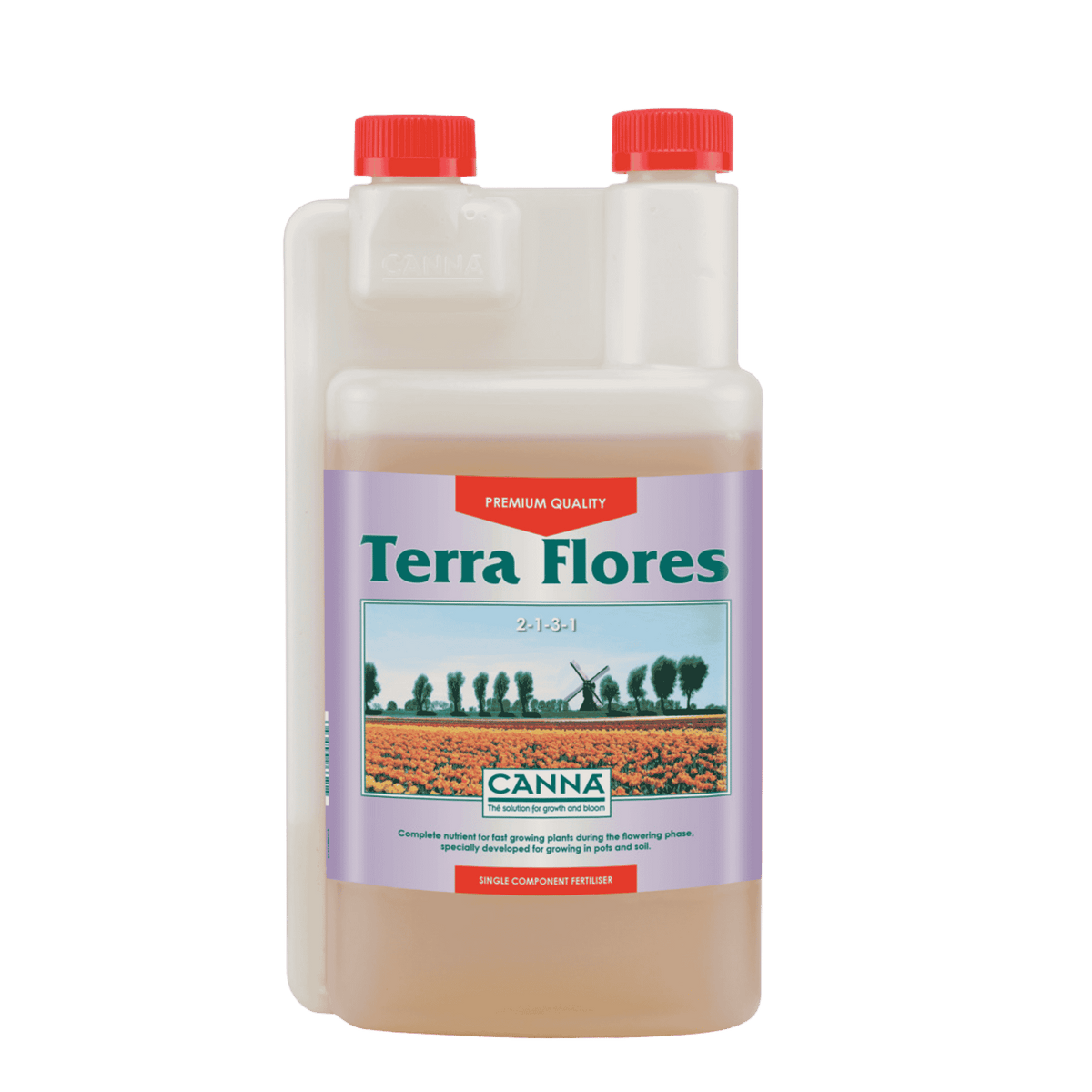
We will eventually be using Canna Terra Flores for our flowering phase of the other plants, but for now we’re going to hold off until our purple Bok Choy and Wong Bok are ready to flower.
So here we are now! It’s only been a few weeks and our medium Vegepod is looking so full in comparison to when we first started! All of us here are Hydro Oasis are so excited to see how big these specimen pieces get and to show you all that you can do with hydroponics!
Until next time!